-
MODULE 1: Introduction to Cosmetic Laser Hair Removal
12 Lessons-
PreviewWelcome: Introduction to Laser
-
StartUnderstand the role of laser hair removal in aesthetic medicine
-
StartIdentify common treatment settings and employment models
-
StartUnderstand the difference between education, training, and licensure
-
StartOverview of cosmetic laser hair removal
-
StartLaser Hair Removal vs. IPL & Light Therapy
-
StartScope of practice overview (state-variable)
-
StartProfessional responsibilities and ethics
-
StartLaser Hair Removal vs. Electrolysis, Shaving, Threading & Waxing
-
StartCommunicating with Clients
-
StartQuiz: Module knowledge check
-
StartSupplemental Optional Videos
-
-
MODULE 2: Laser & Light Physics Fundamentals
11 Lessons-
StartUnderstand how lasers produce hair reduction
-
StartLaser properties: wavelength, fluence, pulse duration, spot size
-
StartLaser & Light Physics Fundamentals: The Fun Version
-
StartSelective photothermolysis
-
StartTarget chromophore: melanin
-
StartTRT: Thermal Relaxation Time
-
StartLaser vs. IPL Technology (The Difference Between a Sniper and a Flashlight)
-
StartIdentify key laser parameters and how they affect treatment
-
StartElectromagnetic spectrum
-
StartLaser Hair Removal vs Radiofrequency
-
StartQuiz: Physics fundamentals
-
-
MODULE 3: ANSI Laser Safety & Compliance
12 Lessons-
StartApply ANSI Z136 laser safety standards
-
StartIdentify and prevent laser-related hazards
-
StartOverview of ANSI Z136 standards
-
StartLaser classifications (Class I–IV)
-
StartEye, skin, and fire hazards
-
StartLaser plume and smoke evacuation
-
StartNominal Hazard Zone (NHZ)
-
StartProtective eyewear selection
-
StartControlled treatment areas
-
StartMedical Director vs. Laser Safety Officer (LSO)
-
StartIncident response and documentation
-
StartQuiz: Laser safety & compliance
-
-
MODULE 4: Skin Anatomy, Hair Biology & Fitzpatrick Typing
10 Lessons-
StartMatch treatment parameters to skin type
-
StartSkin anatomy & Lasers
-
StartHair growth cycles: anagen, catagen, telogen
-
StartHair color, thickness, and treatment response
-
StartFitzpatrick skin types I–VI Client Questionnaire
-
StartSafely assess skin and hair characteristics
-
StartTreating diverse skin tones safely
-
StartIncreased risk considerations & contraindications
-
StartQuiz: Skin & hair assessment
-
StartSupplemental Optional Videos
-
-
MODULE 5: Client Consultation & Contraindications
11 Lessons-
StartIntroduction to client consultations
-
StartPatient intake forms & medical history review
-
StartIdentifying contraindications (medical, dermatological, medications)
-
StartSkin typing & Fitzpatrick scale review
-
StartPatch testing procedures
-
StartPre-treatment care instructions
-
StartPost-treatment care instructions
-
StartCommunicating risks and setting realistic expectations
-
StartInformed consent process
-
StartFillable Intake form templates & examples
-
StartQuiz: Consultation & Contraindications Assessment
-
-
MODULE 6: Laser Hair Removal Devices & Operation
12 Lessons-
StartOperating Devices
-
StartOverview of laser hair removal devices & operations
-
StartDiode lasers: mechanism & uses
-
StartNd:YAG lasers: mechanism & uses
-
StartIPL & Light devices: mechanism & uses
-
StartUnderstanding laser settings (fluence, pulse duration)
-
StartCooling devices and skin protection
-
StartDevice maintenance and safety checks
-
StartPowering on/off and operational safety
-
StartSanitation
-
StartQuiz: Laser Hair Removal Assessment
-
StartSupplemental Optional Videos
-
-
MODULE 7: Treatment Parameters & Clinical Protocols
11 Lessons-
StartUnderstanding wavelength, fluence, and pulse duration
-
StartSelecting treatment parameters by skin type
-
StartSpot size and coverage patterns
-
StartCooling techniques during treatment
-
StartRepetition and overlap principles
-
StartTreatment intervals & scheduling
-
StartPre- and post-treatment skin care protocols
-
StartSafety checks before, during, and after treatment
-
StartUnderstanding the Laser Wavelength Chart
-
StartQuiz: Treatment Parameters & Clinical Protocols Assessment
-
StartSupplemental Optional Videos
-
-
MODULE 8: Treatment Areas & Techniques
11 Lessons-
StartFactors affecting hair growth
-
StartFacial treatment techniques
-
StartLeg and arm techniques
-
StartBikini & Brazilian techniques
-
StartUnderarm, back & chest techniques
-
StartArea Sizing & Charting
-
StartTroubleshooting missed spots
-
StartHands and feet hair removal
-
StartCombining techniques for efficiency
-
StartHandpiece Pressure & Pain Reduction: Why Firm Contact Matters (and When It Doesn’t)
-
StartQuiz: Treatment Areas & Techniques Assessment
-
-
MODULE 9: Complications, Adverse Events & Risk Management
10 Lessons-
StartCommon side effects (redness, swelling, hyperpigmentation)
-
StartRare complications (burns, scarring)
-
StartRecognizing adverse reactions early
-
StartClient management during adverse events
-
StartEmergency protocols & first aid
-
StartDocumentation of complications
-
StartPreventive strategies for safety
-
StartCommunication with medical director when needed
-
StartCovering tattoos safely
-
StartQuiz: Complications, Adverse Events & Risk Management Assessment
-
-
MODULE 10: Documentation, Photography & Professional Standards
9 Lessons-
StartImportance of accurate client records
-
StartDocumenting pre- and post-treatment skin condition
-
StartProfessional photography for results tracking
-
StartConsent forms for photos & marketing
-
StartMaintaining confidentiality (HIPAA considerations)
-
StartRecord keeping for regulatory compliance
-
StartProfessional ethics & scope of practice
-
StartContinuous professional development and standards
-
StartQuiz: Documentation, Photography & Professional Standards Assessment
-
-
MODULE 11: Laser Equipment in Action – Examples & Operational Demos
5 Lessons-
StartExample 1: Diode Laser – Mechanism, handpiece, treatment technique
-
StartExample 2: Nd:YAG Laser – Safe use on darker skin tones, spot size, pulse duration
-
StartExample 3: Alexandrite Laser – Treatment areas, precautions, and patient response
-
StartExample 4: IPL Device – Mechanism, differences from lasers, skin reaction monitoring
-
StartNext Steps After Graduation
-
ANSI-Compliant Cosmetic Laser Training Program
Advanced Cosmetic Laser Practitioner Training Program ANSI-Aligned | Online | Certificate of Training
Become Professionally Trained in Cosmetic Laser & Light‑Based Procedures
Advanced Cosmetic Laser Practitioner Training Program
Professionally Trained in Cosmetic Laser & Light‑Based Procedures
If you’re looking to enter or advance in the cosmetic laser industry, this comprehensive online training provides the formal, didactic education required by many medical directors, employers, and malpractice insurers to perform cosmetic laser services under appropriate medical oversight, in accordance with state law.
This program is led by an instructor holding the highest level of National Laser Certification and is built on real‑world experience training laser professionals in clinical settings.
What This Program Provides
✔ 40–50 hours of comprehensive didactic cosmetic laser education
✔ Video lessons
✔ Curriculum aligned with ANSI Z136 Laser Safety Standards
✔ In‑depth instruction across major cosmetic laser and light‑based modalities
✔ Knowledge check quizzes after each module
✔ Final assessments to verify knowledge and competency
✔ Certificate of Training upon successful completion
✔ Personalized teacher feedback
This course focuses on education, safety, and procedural understanding—the foundation required before hands‑on clinical practice.
Who This Training Is For
This program is designed for individuals looking to enter or expand within the cosmetic laser and medical aesthetics field.
Depending on your state regulations, cosmetic laser services may be performed by a wide range of professionals under appropriate medical oversight.
Who Can Become a Laser Technician? In many U.S. states, cosmetic laser services may be provided by:
✔ Anyone *No prior laser or esthetic experience is required.
✔ Estheticians or Master Estheticians
✔ Nurses (RN, LPN/LVN)
✔ Physician Assistants (PA)
✔ Medical professionals (MD, DO)
✔ Licensed professionals in allied health fields
In most states, individuals without a professional license, when working under a medical director.
Because laser regulations vary widely by state, most states allow anyone to perform cosmetic laser treatments with proper training, while others restrict services to licensed professionals. This course is intentionally state-agnostic and focuses on providing the formal didactic training commonly required by employers, medical directors, and malpractice insurers.
Students are responsible for verifying their specific state and employer requirements before performing services.
How Much Can a Cosmetic Laser Technician Earn?
Cosmetic laser services are among the highest-revenue, lowest-time services in the aesthetics industry. While income varies by location, setting, and experience, laser professionals commonly earn:
$50–$150+ per treatment as an employee or contractor
$75–$300+ per session when offering services independently under medical oversight
$75,000–$150,000+ annually for full-time laser technicians in busy practices
Many laser treatments take 15–45 minutes, allowing providers to generate significant revenue in a single day.
Why Laser Services Have Huge Earning Potential
Laser and light-based treatments:
✔ Require short appointment times
✔ Can be priced at a premium
✔ Are often sold in packages (multiplying revenue)
✔ Have high demand and repeat clients
✔ Require minimal consumable cost compared to injectables or spa services
This means more revenue per hour with less physical strain.
How Adding Laser Services Sets You Apart
Adding cosmetic laser training immediately positions you above providers who offer only basic spa services.
With laser training, you can:
✔ Offer advanced, in-demand treatments Increase your earning power per client
✔ Become more attractive to med spas and medical practices
✔ Expand your service menu without adding long appointment times
✔ Create multiple income streams within the same workday
✔ Laser-trained professionals are often prioritized for hiring and can command higher pay due to their specialized skill set.
Real-World Results
Who This Training Is For
This program is designed for individuals looking to enter or expand within the cosmetic laser and medical aesthetics field.
Depending on your state regulations, cosmetic laser services may be performed by a wide range of professionals under appropriate medical oversight.
Who Can Become a Laser Technician? In many U.S. states, cosmetic laser services may be provided by:
✔ Anyone *No prior laser or esthetic experience is required.
✔ Estheticians or Master Estheticians
✔ Nurses (RN, LPN/LVN)
✔ Physician Assistants (PA)
✔ Medical professionals (MD, DO)
✔ Licensed professionals in allied health fields
In most states, individuals without a professional license, when working under a medical director.
Because laser regulations vary widely by state, most states allow anyone to perform cosmetic laser treatments with proper training, while others restrict services to licensed professionals. This course is intentionally state-agnostic and focuses on providing the formal didactic training commonly required by employers, medical directors, and malpractice insurers.
Students are responsible for verifying their specific state and employer requirements before performing services.
How Much Can a Cosmetic Laser Technician Earn?
Cosmetic laser services are among the highest-revenue, lowest-time services in the aesthetics industry. While income varies by location, setting, and experience, laser professionals commonly earn:
$50–$150+ per treatment as an employee or contractor
$75–$300+ per session when offering services independently under medical oversight
$75,000–$150,000+ annually for full-time laser technicians in busy practices
Many laser treatments take 15–45 minutes, allowing providers to generate significant revenue in a single day.
Why Laser Services Have Huge Earning Potential
Laser and light-based treatments:
✔ Require short appointment times
✔ Can be priced at a premium
✔ Are often sold in packages (multiplying revenue)
✔ Have high demand and repeat clients
✔ Require minimal consumable cost compared to injectables or spa services
This means more revenue per hour with less physical strain.
How Adding Laser Services Sets You Apart
Adding cosmetic laser training immediately positions you above providers who offer only basic spa services.
With laser training, you can:
✔ Offer advanced, in-demand treatments Increase your earning power per client
✔ Become more attractive to med spas and medical practices
✔ Expand your service menu without adding long appointment times
✔ Create multiple income streams within the same workday
✔ Laser-trained professionals are often prioritized for hiring and can command higher pay due to their specialized skill set.
Real-World Results
Instructor Success Story “I started my laser business with $2,000, rented a single treatment room for $365 per month, and turned that into $165,000 in my very first year.” — Program Instructor & National Laser Certified Professional
This program is built on real-world experience, not theory alone. The strategies, protocols, and business insights woven throughout the training reflect what actually works in a med spa environment—how to price services, maximize time, and build high-revenue treatments efficiently. Students benefit not only from formal laser education, but from the perspective of someone who has successfully built and scaled a profitable laser business from the ground up.
Why Choose This Program
✔ Instructor with National Laser Certification
✔ ANSI‑aligned curriculum
✔ Built for real‑world med spa environments
✔ Professional, insurer‑friendly documentation
✔ Designed to meet industry expectations
Ready to Begin? Enroll today and take the first step toward professional cosmetic laser training with confidence, clarity, and credibility.
This program is built on real-world experience, not theory alone. The strategies, protocols, and business insights woven throughout the training reflect what actually works in a med spa environment—how to price services, maximize time, and build high-revenue treatments efficiently. Students benefit not only from formal laser education, but from the perspective of someone who has successfully built and scaled a profitable laser business from the ground up.
Why Choose This Program
✔ Instructor with National Laser Certification
✔ ANSI‑aligned curriculum
✔ Built for real‑world med spa environments
✔ Professional, insurer‑friendly documentation
✔ Designed to meet industry expectations
Ready to Begin? Enroll today and take the first step toward professional cosmetic laser training with confidence, clarity, and credibility.
Legal Disclosure
This program provides education, training, and certificate of training only. Completion of this course does not grant a professional license or independent authorization to practice medicine. Cosmetic laser services must be performed in accordance with state law and, where required, under appropriate medical supervision.
Students are responsible for verifying their state and employer requirements.
Course Summary
Certificate of Training in Cosmetic Laser Procedures
You already know there’s massive demand for laser hair removal and cosmetic laser services — but you may be feeling stuck.
Maybe you’re:
An entrepreneur wanting to open a laser business but unsure how to start legally and safely.
An esthetician or beauty professional exhausted by low-ticket services and tired of trading hours for dollars.
Or a nurse/healthcare provider seeking a more flexible, higher-paying aesthetic path — without decades of additional schooling.
Laser services can change all of that… but only if you have real knowledge, proper training, and a certificate employers/medical directors respect.
Right now, the landscape is confusing:
👉 You hear mixed advice about what training counts.
👉 You’re unsure which protocols are safe — or compliant with ANSI standards.
👉 Medical directors and employers want documented proof that you truly understand laser safety, contraindications, and clinical protocols.
👉 And most laser training programs are expensive, outdated, or leave you guessing when you’re finally on the job.
Meanwhile, every day you delay:
👉 You miss out on income you should be earning.
👉 You stay stuck doing low-margin services.
👉 You struggle to confidently talk about lasers with clients — much less perform them.
What if you had a clear path from training → certification → income without the guesswork or uncertainty?
Introducing the Certificate of Training in Cosmetic Laser Procedures — the industry-aligned online course designed for professionals just like you who are ready to level up.
This comprehensive online program gives you:
✅ Clear, ANSI-aligned instruction on laser physics, safety, and clinical protocols
✅ Practical training on client consultation, contraindications, and laser operation
✅ Treatment parameter mastery so you can confidently tailor sessions by skin type
✅ Deep understanding of complications and risk management
✅ A certificate of training you can show employers, medical directors, and insurers
Whether you want to:
👉 Start your own laser business
👉 Add high-ticket services to your existing practice
👉 Transition from clinical healthcare to aesthetics
This course gives you the confidence, credibility, and competence to make it happen.
Why This Course Works
✨ Designed for busy professionals — entirely online, self-paced
✨ Built to satisfy employers and medical directors Includes assessments to prove mastery
✨ Tied to real-world clinical thinking
✨ Sets you up for income-producing skills — FAST
You already know there’s massive demand for laser hair removal and cosmetic laser services — but you may be feeling stuck.
Maybe you’re:
An entrepreneur wanting to open a laser business but unsure how to start legally and safely.
An esthetician or beauty professional exhausted by low-ticket services and tired of trading hours for dollars.
Or a nurse/healthcare provider seeking a more flexible, higher-paying aesthetic path — without decades of additional schooling.
Laser services can change all of that… but only if you have real knowledge, proper training, and a certificate employers/medical directors respect.
Right now, the landscape is confusing:
👉 You hear mixed advice about what training counts.
👉 You’re unsure which protocols are safe — or compliant with ANSI standards.
👉 Medical directors and employers want documented proof that you truly understand laser safety, contraindications, and clinical protocols.
👉 And most laser training programs are expensive, outdated, or leave you guessing when you’re finally on the job.
Meanwhile, every day you delay:
👉 You miss out on income you should be earning.
👉 You stay stuck doing low-margin services.
👉 You struggle to confidently talk about lasers with clients — much less perform them.
What if you had a clear path from training → certification → income without the guesswork or uncertainty?
Introducing the Certificate of Training in Cosmetic Laser Procedures — the industry-aligned online course designed for professionals just like you who are ready to level up.
This comprehensive online program gives you:
✅ Clear, ANSI-aligned instruction on laser physics, safety, and clinical protocols
✅ Practical training on client consultation, contraindications, and laser operation
✅ Treatment parameter mastery so you can confidently tailor sessions by skin type
✅ Deep understanding of complications and risk management
✅ A certificate of training you can show employers, medical directors, and insurers
Whether you want to:
👉 Start your own laser business
👉 Add high-ticket services to your existing practice
👉 Transition from clinical healthcare to aesthetics
This course gives you the confidence, credibility, and competence to make it happen.
Why This Course Works
✨ Designed for busy professionals — entirely online, self-paced
✨ Built to satisfy employers and medical directors Includes assessments to prove mastery
✨ Tied to real-world clinical thinking
✨ Sets you up for income-producing skills — FAST
Your Next Step Stop waiting. Stop wondering if you’re “ready enough.”
Enroll today and begin the most important investment in your aesthetic career.
📌 Get your Certificate of Training in Cosmetic Laser Procedures — your ticket to real skills, real confidence, and real income.✨ ✨
Course Curriculum

Real-World Results: Instructor Success Story
“I started my laser business with $2,000, rented a single treatment room for $365 per month, and turned that into $165,000 in my very first year.”
This program is built on real-world experience, not theory alone. The strategies, protocols, and business insights woven throughout the training reflect what actually works in a med spa environment—how to price services, maximize time, and build high-revenue treatments efficiently. Students benefit not only from formal laser education, but from the perspective of someone who has successfully built and scaled a profitable laser business from the ground up.
Course Pricing
Laser Hair Removal
$1297 USD
-
Safety • Operation • Certification
-
- ANSI laser safety & compliance
- Skin anatomy, Fitzpatrick typing & contraindications
- Laser physics & device operation
- Laser hair removal protocols & parameters
- Certificate of Training: Laser Hair Removal
Laser Hair Removal & Skin Treatments
$1497 USD
-
Laser Hair Removal & Skin Treatments Included
-
- Everything in Laser Hair Removal+
- Pigmented & vascular cosmetic treatments
- Advanced consultation & complication management
- IPL, pixel & photofacial treatments
- Tattoo removal, skin rejuvenation, tightening & cellulite
Tuition & Enrollment Options
This program is offered with optional advanced add-ons so students can choose the level of training and support that best fits their goals.
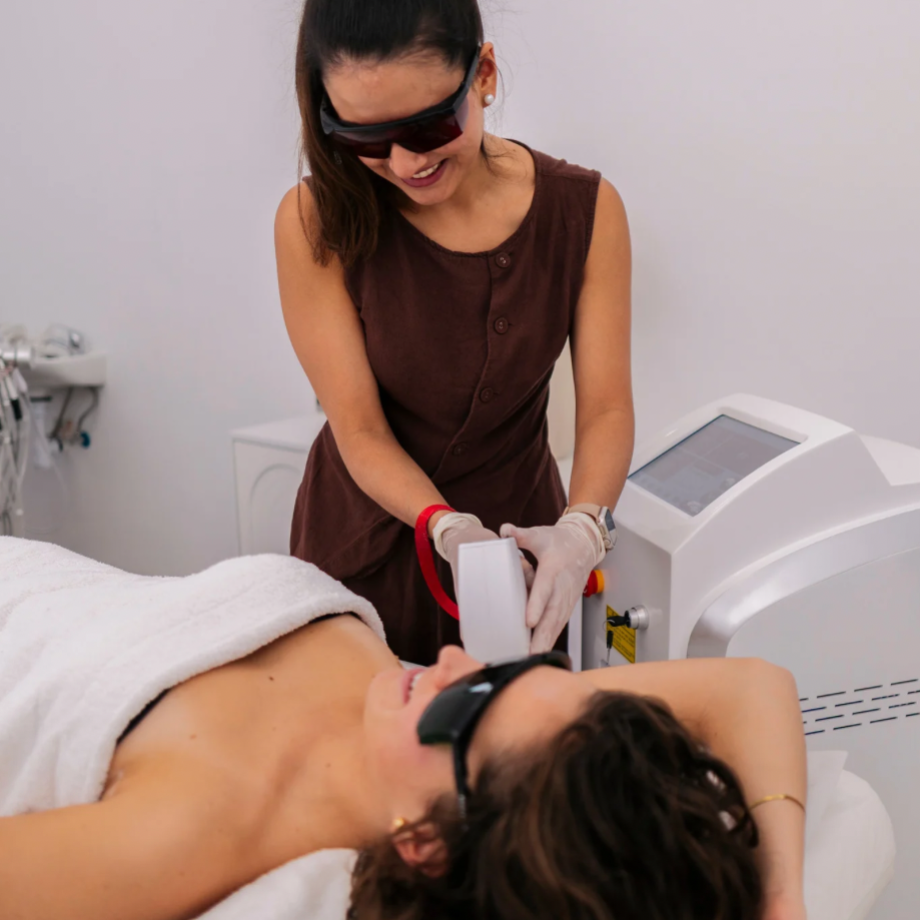
Core Program: Laser Hair Removal
(Foundational + Required)
Includes:
•ANSI laser safety
•Laser physics & fundamentals
•Laser device operation
•Skin anatomy & physiology •Fitzpatrick skin types I–VI
•Contraindications & client screening
•Laser hair removal protocols
•Parameter selection
•Treatment endpoints
•Complications & risk management •Documentation & consent
•Exams
•Certificate of Training: Laser Hair Removal
👉 This bundle alone allows someone (where state law permits) to work as a laser hair removal technician under medical oversight.
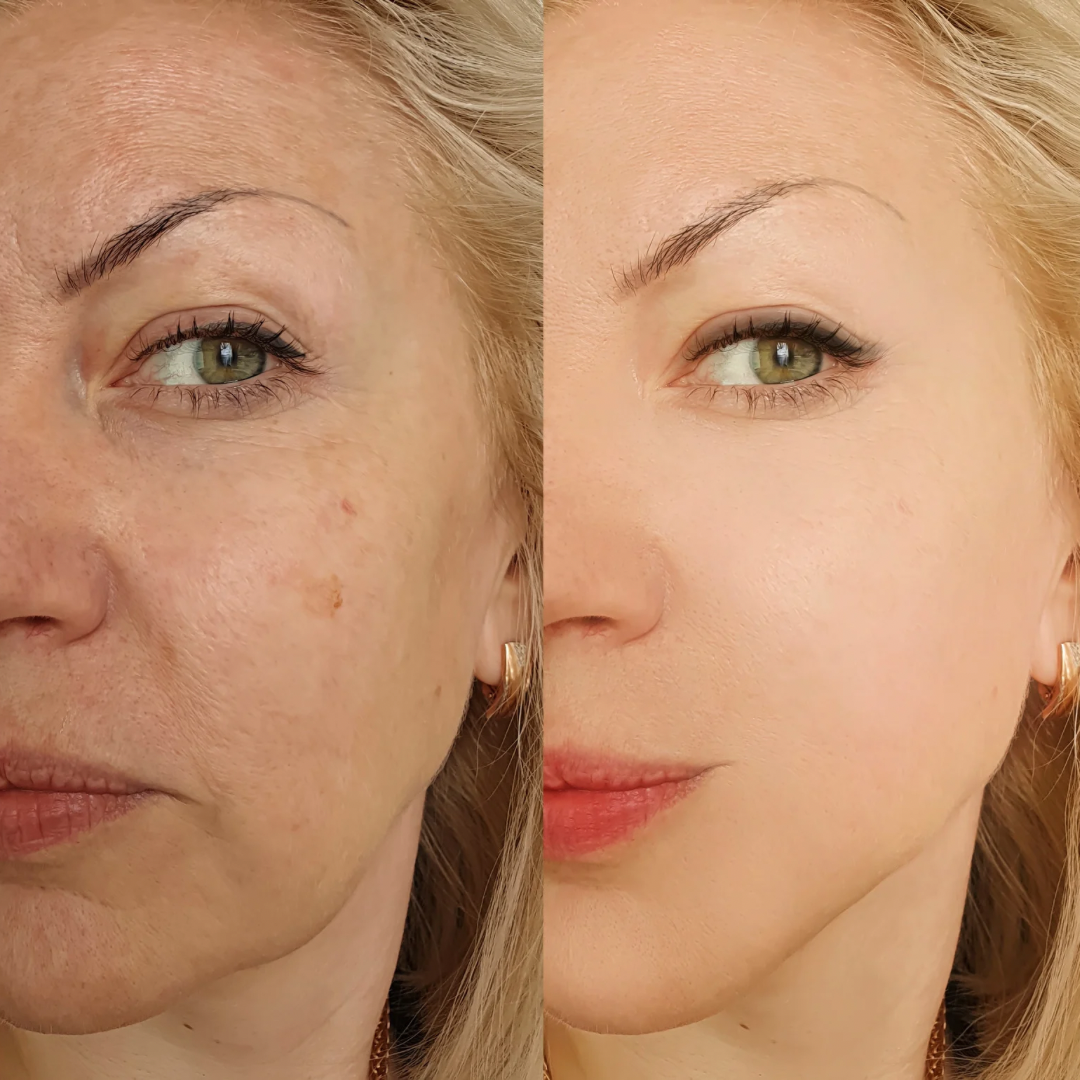
Advanced Skin & Laser Treatments Certification
(Everything in Bundle 1 PLUS all skin services)
This is where people stop being “just hair removal techs.”
Includes:
✔ Everything in Bundle 1, PLUS:
•IPL / Photofacials
•Skin rejuvenation
•Non-invasive skin tightening
•Cellulite treatments
•Pigmented lesions (cosmetic scope)
•Vascular lesions (cosmetic scope)
•Advanced consultation & treatment planning
•Managing higher-risk skin types
•Advanced complications & referrals
•Certificate of Training: Advanced Cosmetic Laser & Skin Treatments
👉 This bundle creates a well-rounded, high-earning laser professional.
Laser Business Accelerator
Includes:
•How to legally start a laser business
•Medical director referral & relationships
•Pricing laser services for profit
•Marketing & advertising
•Social media strategies
•Running laser events & pop-ups
•Creating packages & memberships
•Systems for repeat & referral clients
•Mistakes to avoid (this is gold)
👉 This bundle turns training into income.